01
Rebound after the first wet season
Metals stored in sediment and waste remobilize with high flows. A dry-season pass can reverse within months.
How the design catches it
Criteria require campaigns across both seasons.
Latin American remediation
Independent monitoring of water, soil and ecological recovery. Build on existing studies with evidence your team can use for closure, regulatory and lender review.
KEA measures recovery against agreed criteria, independently of the remediation works.
Technology verification
Select a technology to see what KEA measures.
What we verifyInfiltration through the cover, cover integrity, and seepage chemistry beneath and downgradient.
What we verifyGroundwater chemistry upgradient and downgradient of the barrier, reactive media performance over time and bypass around it.
What we verifyInflow and outflow loads, alkalinity generation, metal retention and performance in wet and dry seasons.
What we verifyLeachability and mobility before and after treatment, and long-term geochemical stability.
What we verifyHydrocarbon fraction decay, moisture and nutrient conditions, and end-point confirmation sampling.
What we verifyConfirmation sampling at the limits, residual contamination and resuspension downstream during works.
What we verifyThree lines of evidence: declining trends, geochemical indicators of degradation and a stable or shrinking plume.
What we verifyPlant survival, native cover, bank stability and channel form against the design and reference reaches.
Frameworks
Explore the instruments and quality benchmarks relevant to each country.
Degraded-area recovery plans and conduct adjustment agreements define what must be restored. Federal water classes and soil and groundwater guiding values set the benchmarks.
Mine closure plans backed by financial guarantees, and hydrocarbon abandonment plans, commit operators to physical, chemical and biological stability.
Compliance programs and reparation plans before the Superintendency of the Environment, and closure plans, set goals and indicators that must be reported.
Whoever causes environmental damage is strictly liable for restoring the prior state, or for compensation where that is not technically feasible. Provinces and courts can set the terms.
Also structured for lender and industry review
References are general and not legal advice. The competent authority decides whether an obligation has been met.
The method
Track water, soil, habitat and aquatic life against their own criteria. Explore an illustrative recovery record below.
Sources, release mechanisms, pathways and receptors are mapped before sampling. The model decides where to sample and what to measure.
Reference sites are matched on geology, altitude, flow regime and catchment. In mineralized Andean basins, natural arsenic and metal levels can exceed national standards, so the record separates background from impact.
A before-after, control-impact (BACI) design separates the effect of the works from season, hydrology and upstream activity.
“No significant difference” from a small sample proves little. Where the data allow, KEA tests whether the site falls within an agreed margin of reference and reports the statistical power behind each conclusion.
Thresholds, consecutive-campaign rules and early-warning triggers for corrective action are proposed before monitoring begins.
KEA is not a laboratory. Its scientists validate every laboratory and field result against blanks, duplicates, spikes, holding times and reporting limits, and flag its usability before it enters the record.
When the evidence is insufficient, the record says so and asks for more.
Dissolved zinc · µg/L · log scale
At or below the reference P90 in 3 consecutive campaigns, wet and dry
Field: pH, conductivity, dissolved oxygen, ORP, turbidity. Laboratory: TSS, sulfate, alkalinity, hardness; dissolved (0.45 µm filtered) and total metals such as Zn, Cu, Cd, As and Pb; TPH, BTEX and PAHs where hydrocarbons are involved. Sediment: metals normalized to grain size and organic carbon.
Paired upstream–downstream stations every wet and dry season, with event sampling after high flows. Continuous sondes for pH, conductivity and turbidity at key stations. Field blanks and duplicates in every campaign.
Illustrative
Where recovery claims fail
Account for seasonal change, natural background and data quality from the outset.
Metals stored in sediment and waste remobilize with high flows. A dry-season pass can reverse within months.
Criteria require campaigns across both seasons.
Upstream activity, roads or artisanal mining can degrade control sites and make the impacted reach look recovered.
Reference sites screened every campaign and replaced when compromised.
eDNA confirms presence, can carry DNA from upstream and depends on the reference library. It does not count populations.
eDNA as a complement to standardized field sampling.
Low flows dilute or concentrate. A single favorable result says more about hydrology than about the works.
Consecutive-campaign rules, set before monitoring.
A “not detected” result proves nothing if the method cannot see the threshold.
Reporting limits checked against every criterion before sampling.
Mineralized geology can keep arsenic or copper above national standards before any operation existed.
Background characterized from comparable unaffected sites.
Where you start
Turn existing commitments into a clear monitoring program, with indicators, reference sites and reporting milestones.
After an incident
A spill, a tailings release or an unpermitted intervention. A regulator, prosecutor, court or settlement defines what must be restored and how it will be judged.
By design
River diversions, realigned channels, pipeline rights-of-way, and mine closure or hydrocarbon abandonment plans commit the operation to restoring what it disturbed.
Inherited
Historic sites, acquired assets and long-running monitoring obligations where the original data is incomplete, inconsistent or held by someone else.
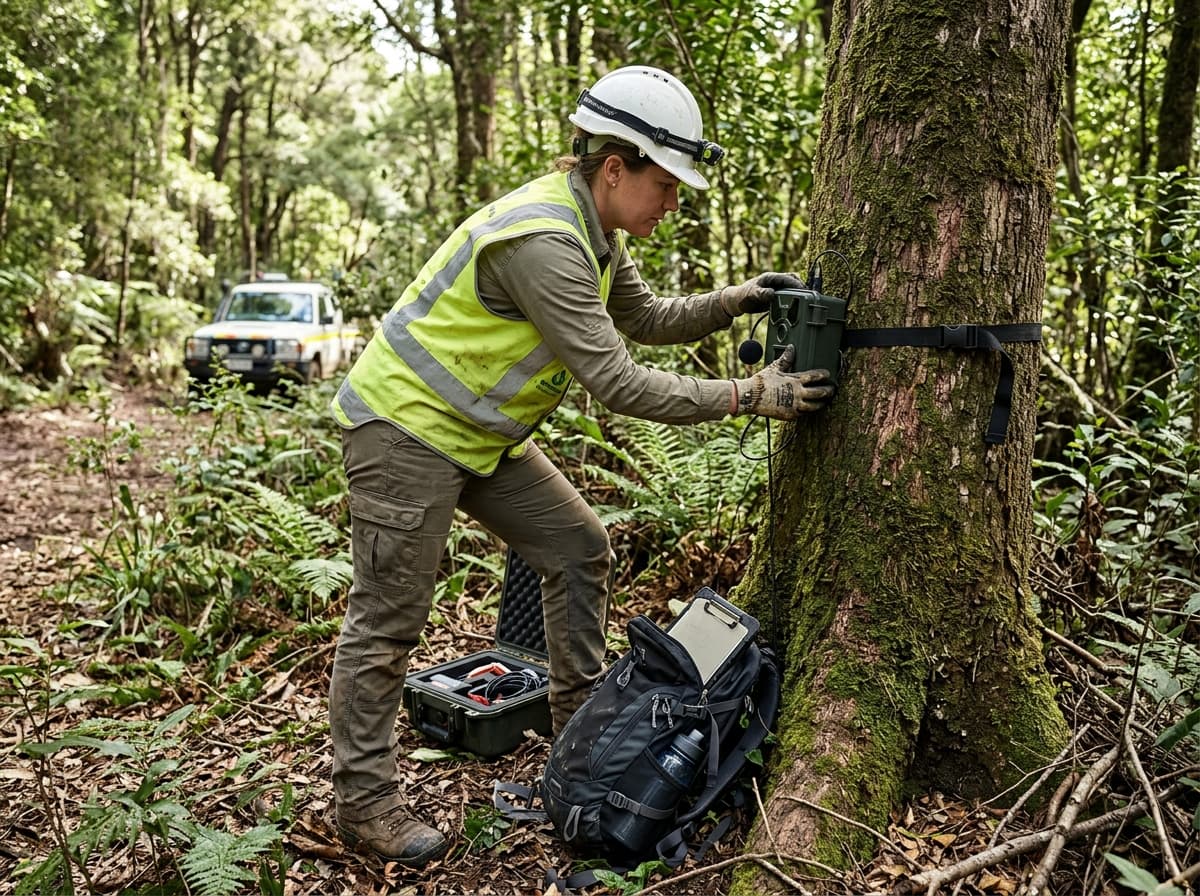
When the data doesn’t show recovery, the record says so.
Why KEA
Strengthen existing monitoring with scientific interpretation, traceability and control over who can access the results.
No earthworks and no engineering contract. Our only deliverable is the evidence.
A designated senior scientist makes the calls data alone can’t: whether a reach recovered or had a good season, and whether an exceedance reflects the works, background or another source.
Each result links to its sample, chain of custody, laboratory, method and date, so reviewers can follow it back to the field.
The operation owns the record and decides who sees it: authority, court-appointed expert, lender or community.
The field network
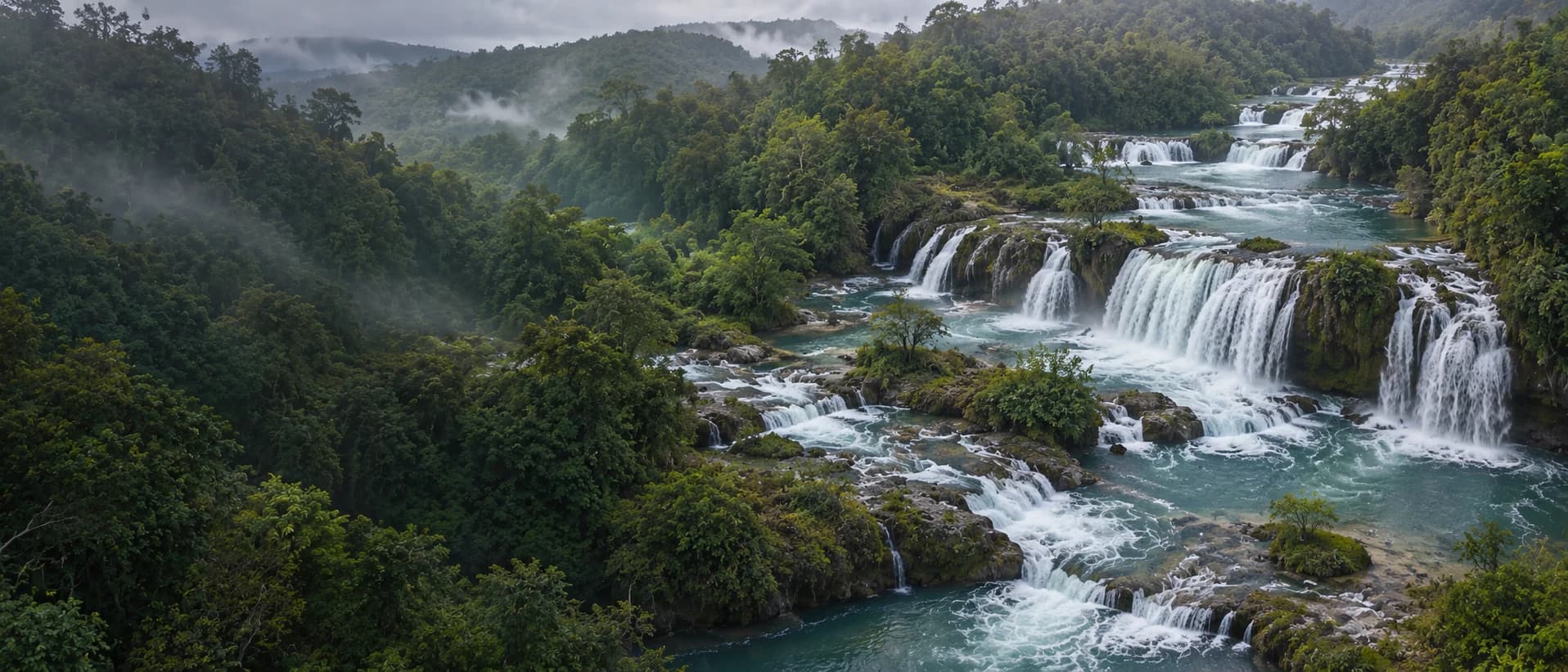
Hydrologists, hydrogeologists, geochemists, aquatic ecologists and soil scientists, with local providers for sampling, eDNA, drone and sensor data, and laboratories selected for each method, at the site and along the affected watershed.
The network started in Latin America, where many mining and oil and gas operations sit inside highly biodiverse watersheds and remediation is watched by regulators, courts and the communities downstream.
How we work together
Join at any stage. Agree the scope and build on the work already in place.
Review the order, permit or plan, the existing data and the reporting calendar. Build the site model and agree indicators, reference sites, scope and investment.
Measure impacted and reference sites across wet and dry seasons, so every works phase has a before.
Field and remote campaigns after each phase, with triggers checked every time and results reported on the authority’s schedule.
Assemble the evidence that every line met its criterion across the required campaigns.
No. KEA does not design, build or operate remediation; engineering and earthworks contractors do. That separation is what makes the record independent.
No. KEA produces evidence and technical support, and the competent authority decides whether an obligation has been met. Auditors and experts can review the full record. This is not legal advice.
No. Analyses are run by laboratories selected for each method. KEA’s scientist teams design the sampling, validate every result, integrate the lines of evidence and interpret what they show.
Yes. KEA designs performance verification for covers, reactive barriers, passive treatment, stabilization, bioremediation, excavation, natural attenuation and revegetation, and reports whether each met its design objective.
Yes. Reference sites with comparable geology and hydrology stand in for the missing baseline, historical data is used where its quality allows, and the record states what can and cannot be concluded.
The record says so. It checks whether the exceedance reflects the works, natural background, season, an upstream source or the analysis itself, and the agreed trigger sets the next step: a confirmation campaign, a source investigation or corrective works by the responsible team.
Yes. KEA reviews existing data for methods, detection limits and chain of custody, keeps what holds up and documents what doesn’t, so the record continues instead of restarting.
Yes. Monitoring covers TPH fractions, BTEX and PAHs in soil, groundwater, surface water and sediment, plus the recovery of habitat and aquatic life. The cleanup itself is done by specialized contractors.
It can provide the evidence the authority reviews. Whether and when a guarantee is released remains the authority’s decision.
KEA provides evidence and technical support. It is not a laboratory, regulator, auditor or certification body, and this page is not legal advice. Charts are illustrative.
For the regulator, the court, the lender and the community downstream. Tell us about the obligation and we’ll scope the evidence it needs.
Discuss a project