New projects & expansions
Identify sensitive habitats and compare avoidance alternatives before defining new areas of disturbance.
Technical biodiversity evidence for mining
Quantify losses, gains and recovery with traceable metrics for technical review of permitting, financing, expansion and closure.
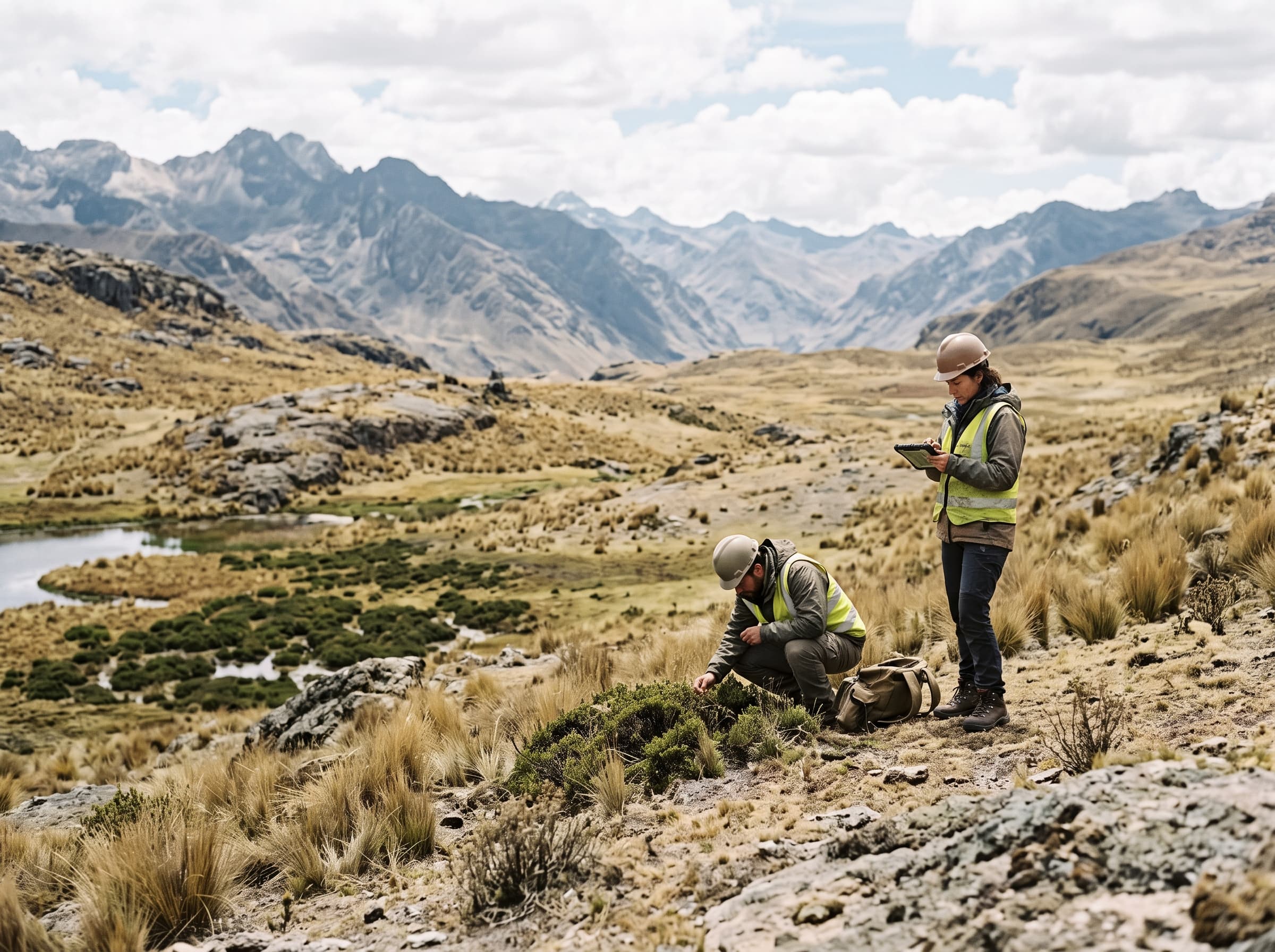
50 m transect · Protocol H-02 v1.2
Condition example, not an NNL balance.
Every stage of the mine
Identify sensitive habitats and compare avoidance alternatives before defining new areas of disturbance.
Assess impacts and mitigation effectiveness; update indicators and management measures as the operation evolves.
Define measurable recovery criteria, reference sites and long-term monitoring for closure and post-closure.
Our capabilities
Complement your team’s studies with capabilities tailored to the biodiversity values, decisions and requirements of each operation.
Strengthen habitat and priority-species studies. Assess IFC PS6 Critical Habitat criteria within an ecologically appropriate area of analysis.

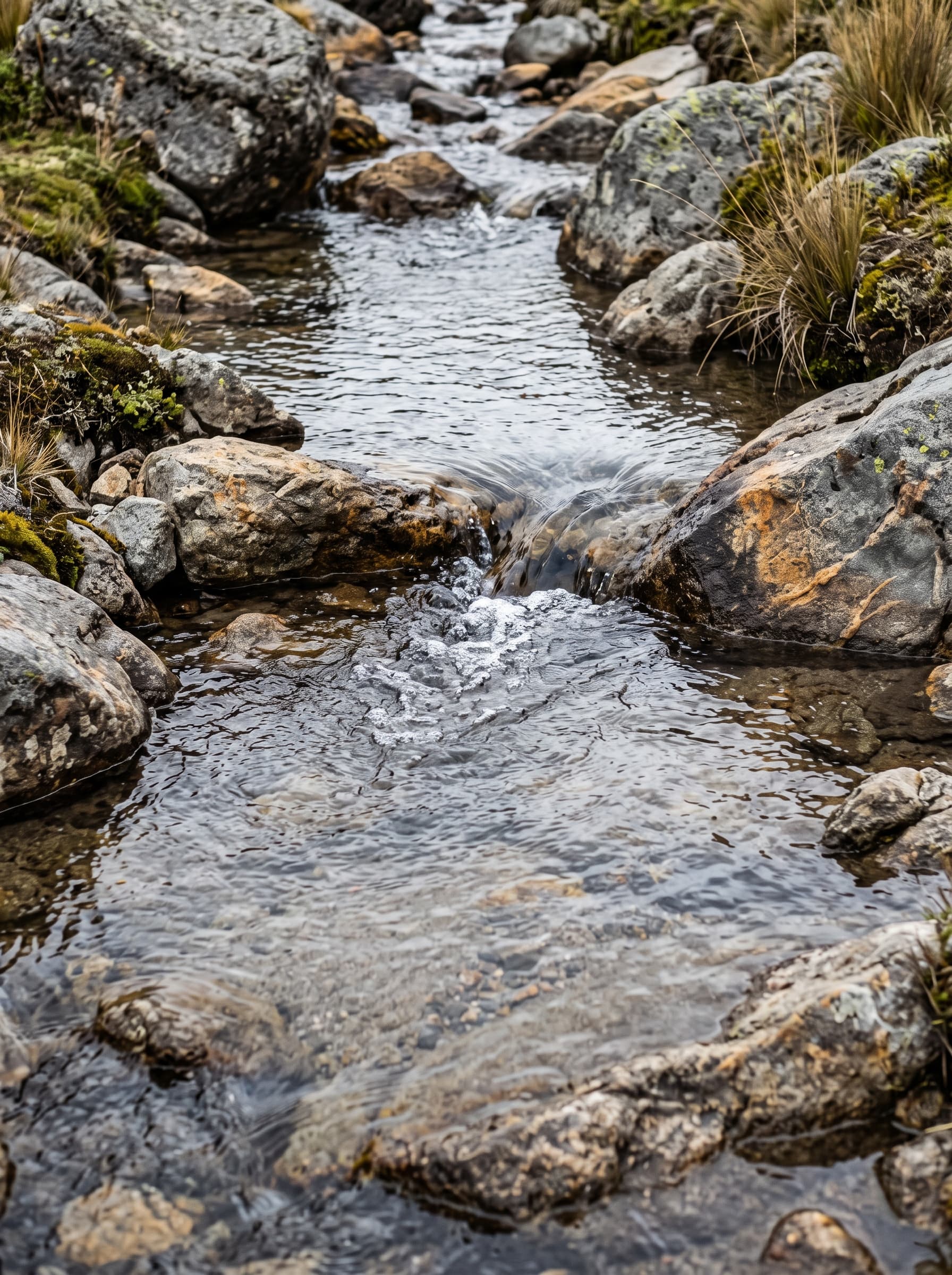
Integrate water quality, vegetation and hydrological function in high-Andean wetlands and periglacial systems, informed by applicable inventories and requirements.
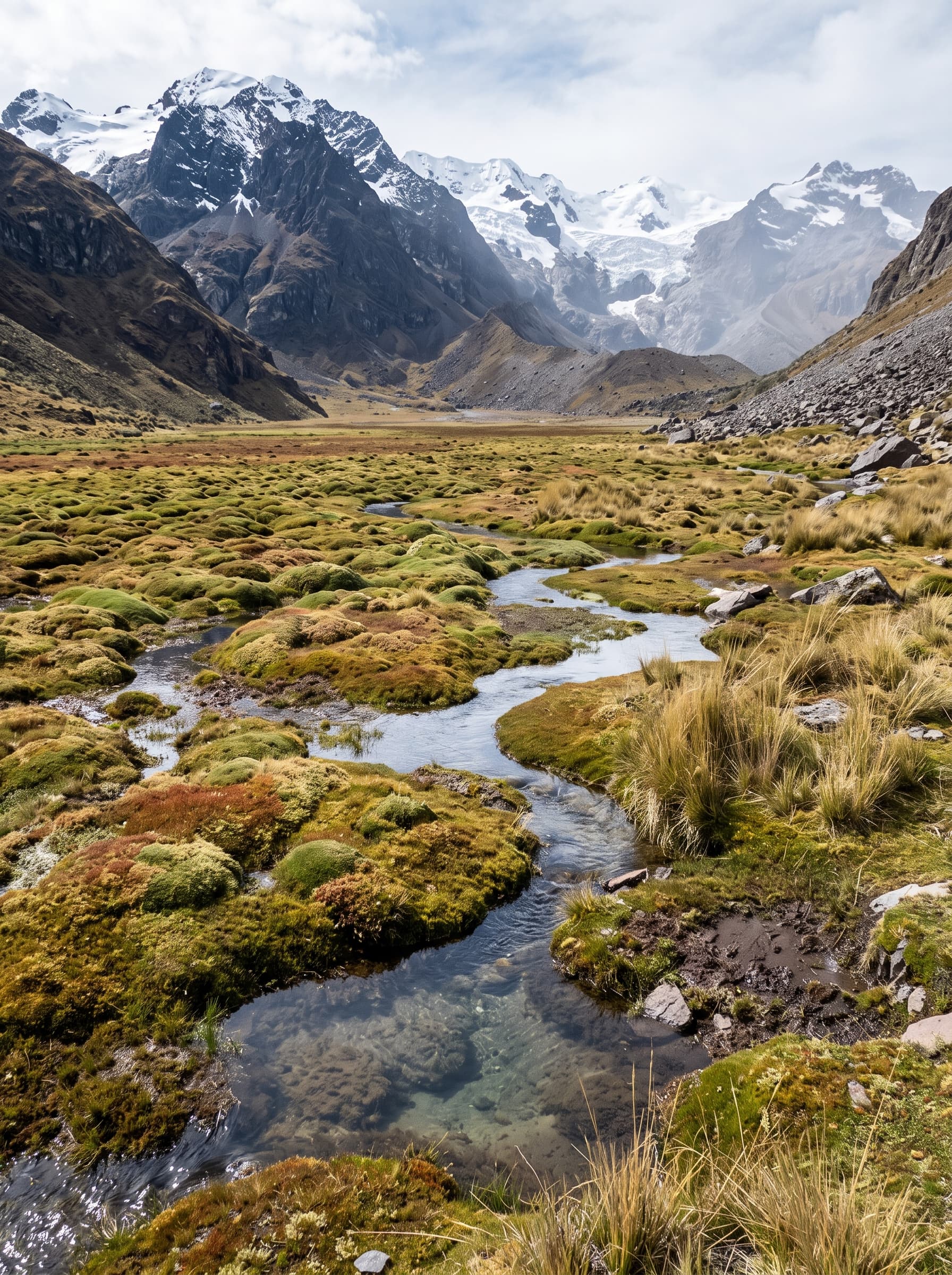
Assess pressures on valued components at basin scale. Estimate relative contributions where the data and study design support distinguishing them.
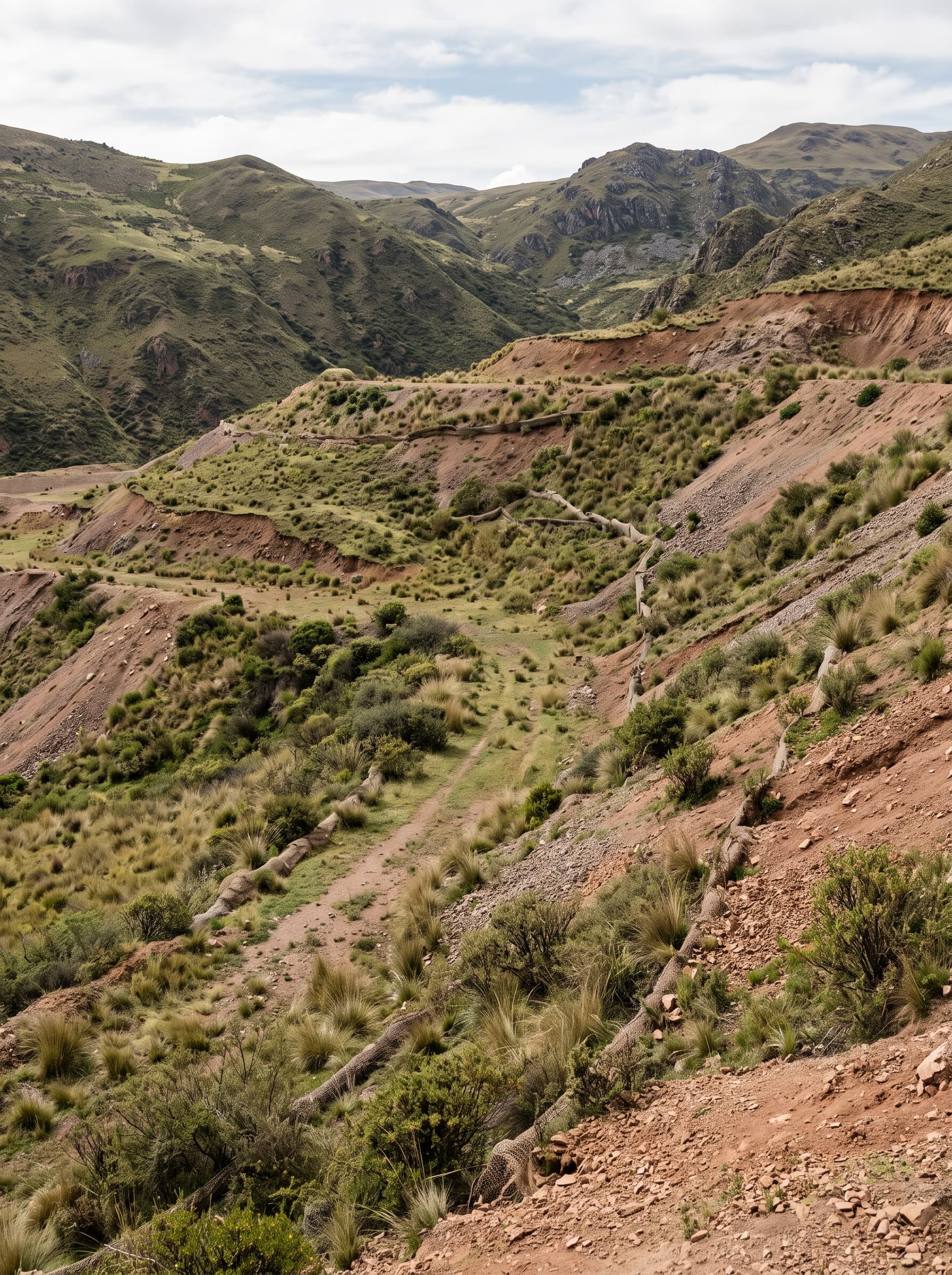
Measure habitat condition and extent against reference sites and closure criteria. Define thresholds that trigger adjustments to rehabilitation.
Connected evidence
Connect field, laboratory and remote-sensing data with protocols, quality controls and scientific review. Distinguish observed results, projections and unresolved evidence gaps.
Source · protocol v1.2 · review R-01
Built around the frameworks that apply to your operation
Why KEA
Regional specialists, field monitoring and documented analysis to strengthen decisions by your environmental team and existing consultants.
Combine eDNA, bioacoustics, camera traps and satellites with field surveys. Define coverage, sampling effort and detection limitations for each objective.
Document protocols, analysis versions and review decisions. Make uncertainty and limitations explicit so reviewers can reconstruct how each conclusion was reached.
Data ownership, access permissions and confidentiality are defined with your team, in line with your operation’s governance requirements.
Review existing studies or embed specialists in your team to design and operate monitoring, with agreed responsibilities and deliverables.
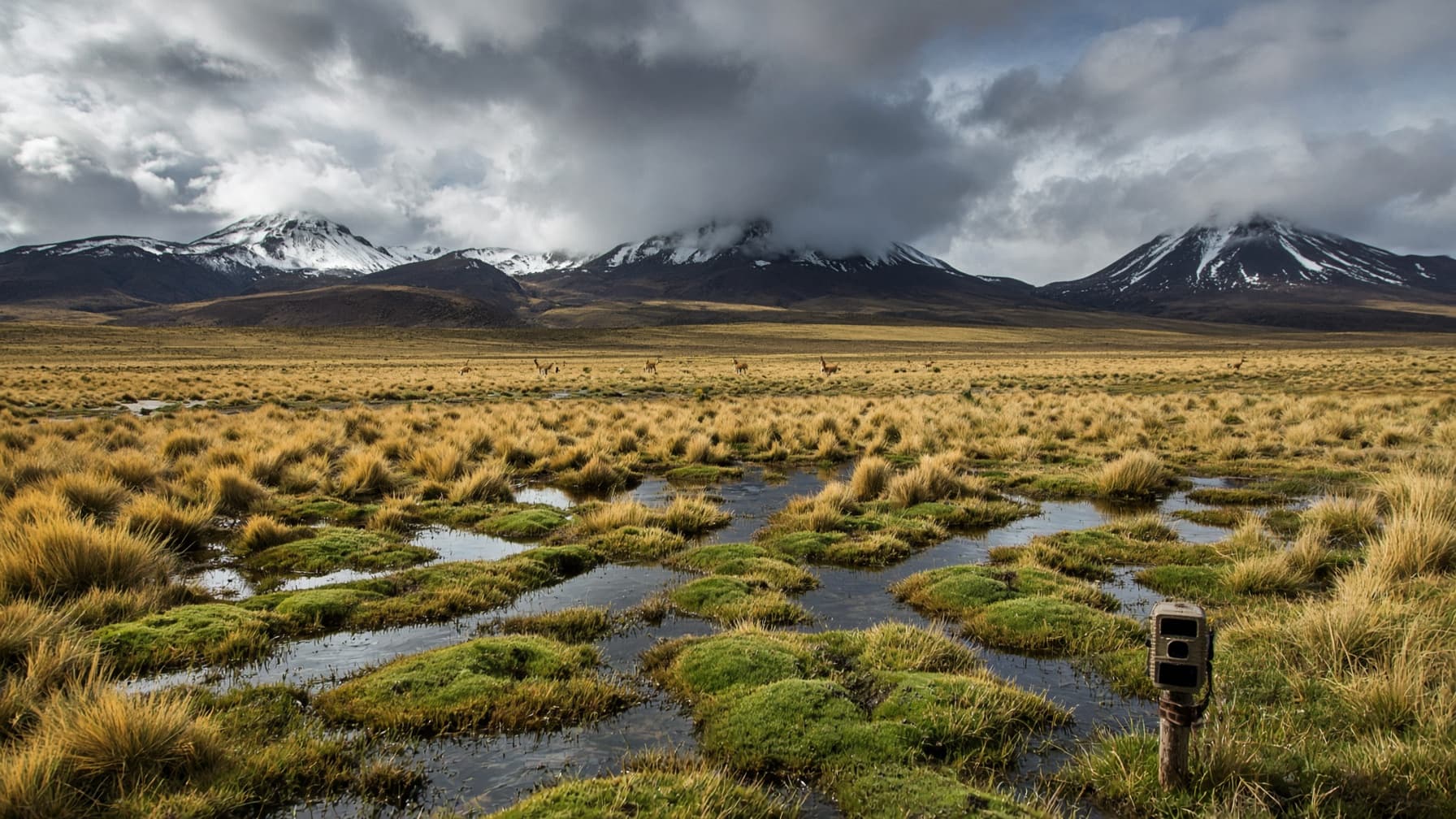
The field network
Bring in biodiversity and regional expertise to complement your team, with field partners across Latin America.
Our network started in Latin America, working in the landscapes where mining and biodiversity meet.
Explore the NetworkHow we work together
Agree the scope, timing and outputs with your team, then select the phases relevant to your project.
Review commitments, existing studies and the next milestone. Agree biodiversity values, metrics and priority evidence gaps.
Define references, coverage and sampling effort around the changes to be detected and the site’s seasonality.
Assess trends and mitigation effectiveness. Update results, uncertainties and management actions for each review milestone.
Yes. We review existing data and methods, identify gaps and prioritize additional work. We complement your consultants without repeating studies that remain valid.
Data ownership, access permissions and confidentiality are agreed with the operation. The scope defines what evidence may be shared with auditors, lenders or other authorized reviewers.
We assess basin-scale pressures and relative contributions where suitable data and study design are available. Causal attribution requires references, time series and explicit assumptions; it cannot be guaranteed for every dataset.
We shape the scope around the frameworks relevant to your project, including IFC PS6, ICMM, Veramark (Copper Mark), LME Responsible Sourcing and TSM, alongside local requirements and financing needs. KEA provides evidence and technical support to the operation and its auditors; certification remains with each scheme.
Yes. We define ecological condition indicators, reference sites and measurable recovery criteria, with rehabilitation and post-closure monitoring according to the agreed scope.
Scoping takes 2–4 weeks. The baseline follows the site's seasonality, typically one or two field seasons, and auditable monitoring (MRV) then continues on an annual cycle.
Metrics are agreed for the habitats and biodiversity values affected: they may combine extent and condition or use species indicators. Residual losses and additional gains are compared against a scenario without intervention, considering equivalence, timing and permanence. A local improvement alone does not demonstrate No Net Loss.
The design considers the change that needs to be detected, sampling effort and method limitations. The assessment makes assumptions, intervals where appropriate and data gaps explicit, separating measured results from projections.
No. KEA provides assessments and technical evidence for review. Compliance decisions rest with lenders or competent authorities, and certification with the applicable scheme.
Anticipate biodiversity evidence gaps that could affect permitting or financing. Let’s agree priorities, field seasons and the scope of review.
Request a conversation