Biodiversity MRV for carbon projects
Prove the biodiversity behind your carbon credits.
Measure and monitor biodiversity in nature-based carbon projects. Build evidence for CCB and SD VISta certification, and assess readiness for Nature Credits.
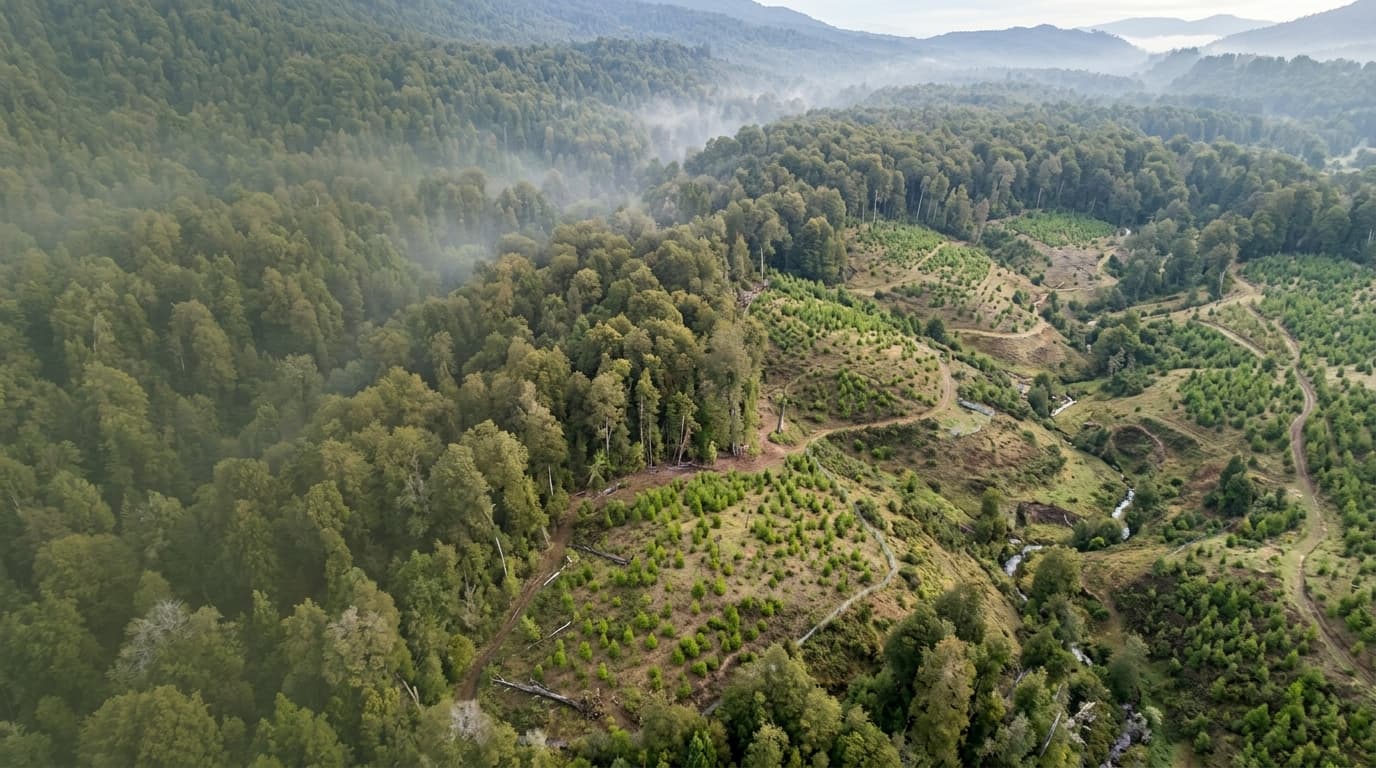
Illustrative evidence record
Biodiversity evidence
Source → Method → Review
WHY THIS SOLUTION
Carbon is one metric. Biodiversity is many.
Carbon accounting uses tonnes of CO₂e. Biodiversity requires several ecological attributes, measured together in local context against a defensible baseline. KEA combines field data, remote sensing and scientific review to turn biodiversity claims into a traceable evidence record.
Screen the opportunity
Identify the standards and labels your project could pursue, the evidence gaps and the work needed to address them.
Establish the baseline
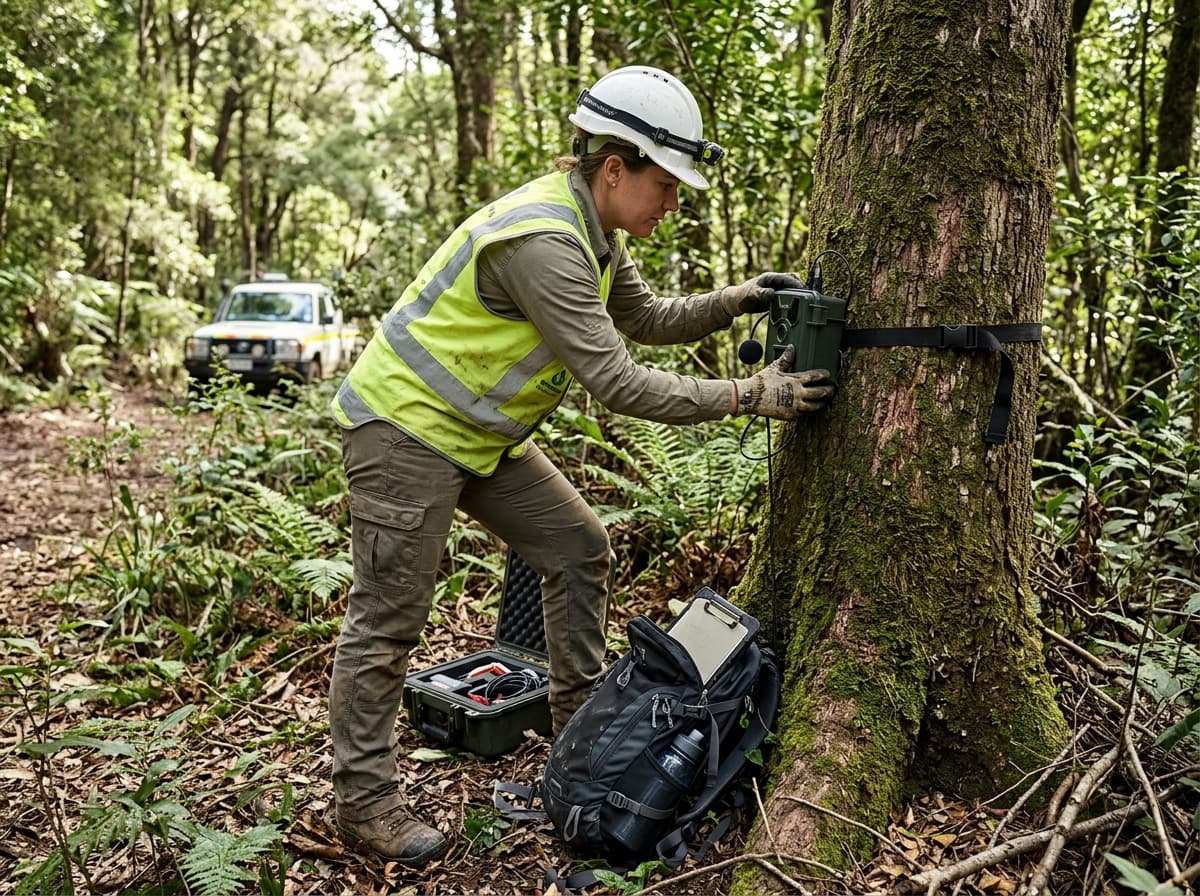
Combine eDNA, bioacoustics, camera traps, satellite imagery and field surveys as appropriate to the ecology and chosen standard.
Design the monitoring
Select indicators, sampling methods and a monitoring plan aligned with the project’s intended claims.
Build the evidence record
Organize data, methods and review history for project descriptions, monitoring reports and buyer due diligence.
Grounded in the standard
Assess the without-project scenario and project outcomes where required. Historical satellite data adds context; it does not replace missing field observations.
Scientists own the judgment
AI accelerates analysis. Biodiversity specialists review ecological interpretation, uncertainty and the claims supported by the evidence.
Evidence provider, not certifier
KEA supports project preparation and monitoring. Independent validation and verification bodies assess conformity under the relevant program.
FRAMEWORKS
One evidence base, several paths to value.
CCB Standards
Evidence for biodiversity scenarios, net positive benefits, offsite impacts and monitoring. Screening can also consider the optional Gold Level biodiversity criterion.
SD VISta
Evidence for sustainable development benefits in carbon and non-carbon projects, including biodiversity outcomes relevant to the project’s claims.
Nature Framework
Readiness assessment for Nature Credits under Verra’s SD VISta Nature Framework. Eligibility and issuance depend on meeting the applicable program and methodology requirements.
Other biodiversity credit schemes
Compare relevant voluntary frameworks with the project’s ecology and available evidence before committing to a pathway.
HOW WE WORK
Screening first. Then the evidence your project needs.
Start with a Discovery: what your project can credibly support, what is missing, and a scoped plan to close the gap.
Discovery
Review the project area, existing records and standards options. Prioritize the gaps that matter for the next project milestone.
Implementation
Deploy field methods, establish the baseline and design indicators and monitoring aligned with the selected pathway.
Ongoing
Maintain the evidence record through repeat monitoring, scientific review and technical support for validation and verification.
Questions about biodiversity and carbon projects
Does KEA certify projects?
No. KEA provides data, analysis and documentation. Validation, verification and program decisions remain with the relevant independent bodies and standard administrator.
Are CCB labels and Nature Credits the same?
No. CCB assesses climate, community and biodiversity benefits of land-based projects and can label eligible carbon credits. Nature Credits are a separate asset under the SD VISta Nature Framework.
Can you work with registered projects?
Yes. We assess existing evidence and strengthen monitoring ahead of verification. Any baseline gaps and limitations are documented rather than assumed away.
ENTER AT ANY STAGE
One record from first screening to verification.
Bring an early-stage ARR, IFM, REDD+ or agroforestry project, an existing project nearing verification, or a portfolio. Start with the evidence you have and build what is missing.
THE NETWORK
Field knowledge where projects happen.
KEA connects senior biodiversity professionals with local providers for field surveys, eDNA, camera traps and bioacoustic monitoring.
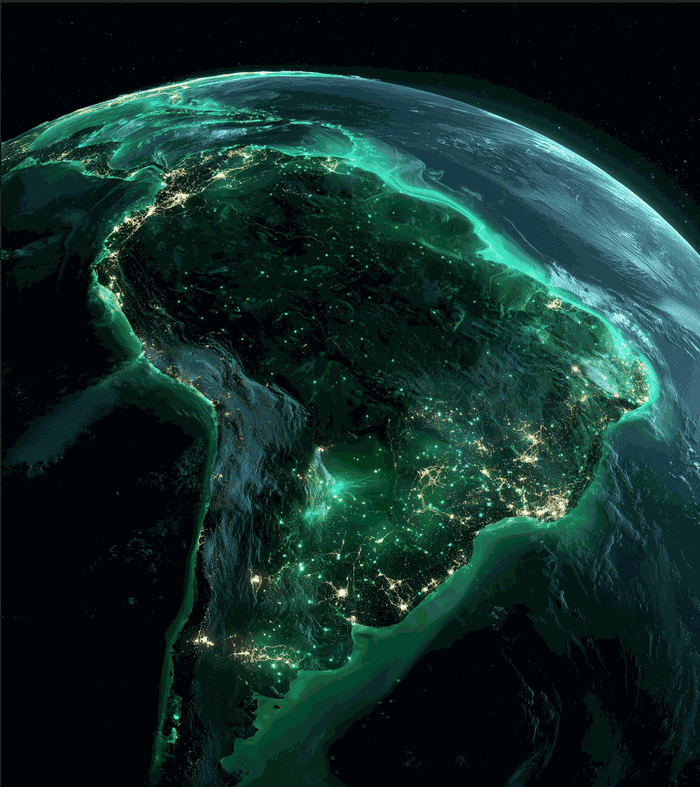
Our network began in Latin America. Field scope and deployment are designed around the project’s landscape, methods and local requirements.
Understand which biodiversity claims your project could support, what evidence is missing and what it would take to build it.