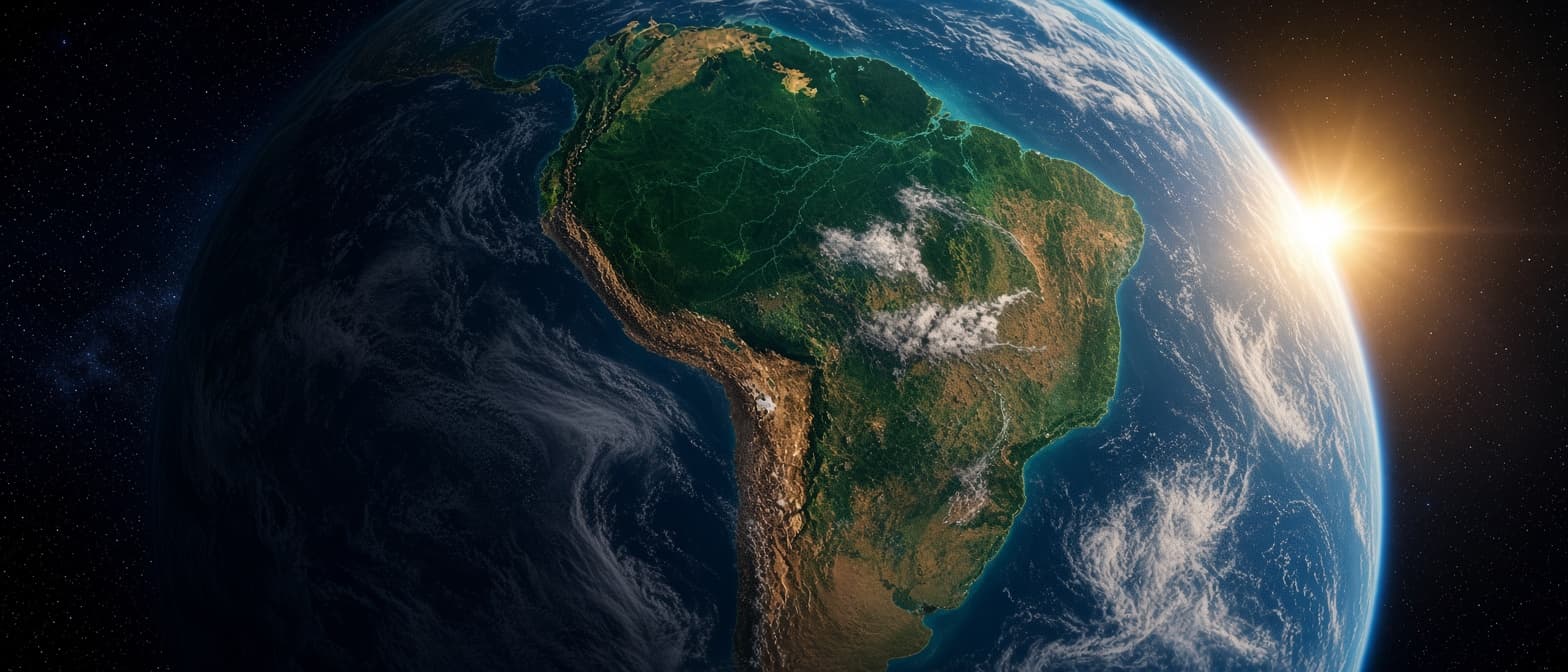
Pilot territory
Phase 01
Phase one
Start with a focused pilot in one Amazonian state. Test the instruments, connectivity and methods in the field before expanding the network.
MOONSHOT PROJECT
ACTIVE PROGRAM · NETWORK DESIGN AND VALIDATION
The first thing you'd check on the planet's health is the Amazon. We're building the real-time biodiversity monitoring network to do exactly that, at a scale the region has never had.
THE VISION
When a doctor checks a patient's health, they start with the heart. For the planet, that is the Amazon: the single largest reservoir of terrestrial biodiversity on Earth, and one of the clearest signals of whether the broader system is holding or breaking down. We don't currently measure it at anything close to the resolution or speed that matters.
Frontier AI models and edge AI with global satellite connectivity did not exist, in their current form, three years ago. Together they make something possible that wasn't before: a sensor network dense enough, and fast enough, to understand, measure and act on the state of the Amazon in real time, not once a season.
THE SCALE
A project built to grow in phases, developed in cooperation with partner organizations, scientific institutions, and the KEA Foundation.
Start with a focused pilot in one Amazonian state. Test the instruments, connectivity and methods in the field before expanding the network.
From there, a belt that follows the Amazon basin itself: Brazil, Peru, Ecuador, Colombia, Venezuela.
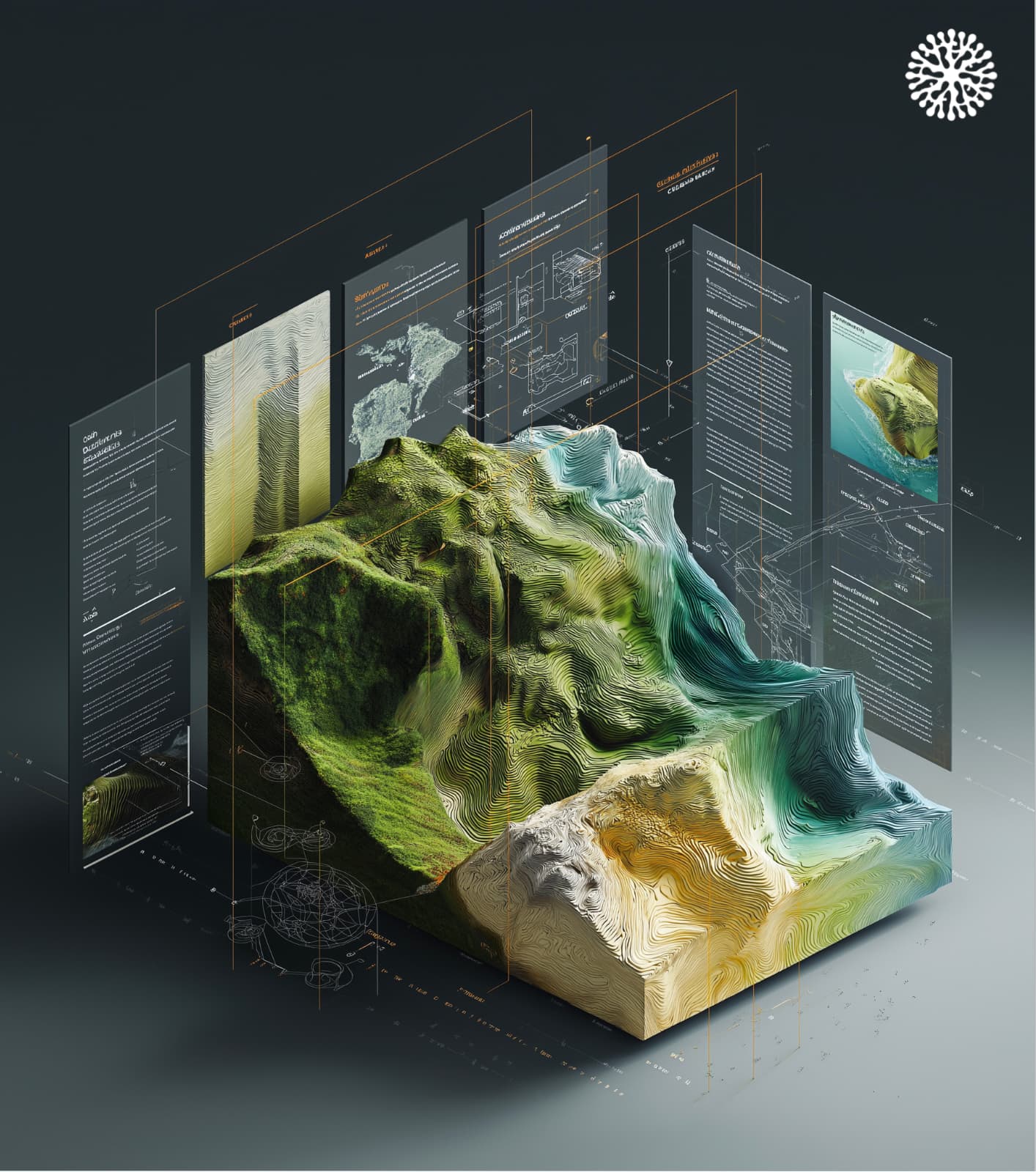
Continuous data, not seasonal snapshots, flowing to a platform, and from there, to the world.
WHY THIS SCALE
Biodiversity loss in the Amazon is not a local problem with a local fix. It is a basin-wide dynamic that crosses five countries, and a monitoring system built for one park or one reserve will never see it coming. That is the case for building at the scale of the basin itself, not a fraction of it.
This is being developed in cooperation with partner organizations and the KEA Foundation, open methodology, public-interest infrastructure, built to be trusted by scientists, regulators and the communities who live there, not owned by any single actor.
“Make no little plans. They have no magic to stir men's blood and probably themselves will not be realized. Make big plans; aim high in hope and work, remembering that a noble, logical diagram once recorded will never die, but long after we are gone will be a living thing, asserting itself with ever-growing insistency. Remember that our sons and grandsons are going to do things that would stagger us. Let your watchword be order and your beacon beauty. Think big.”
Daniel Burnham, Architect and urban planner, Chicago (1846–1912)
This is a long-term, multi-year effort, built together with partner organizations and institutions that share the ambition.