
01
Map the site
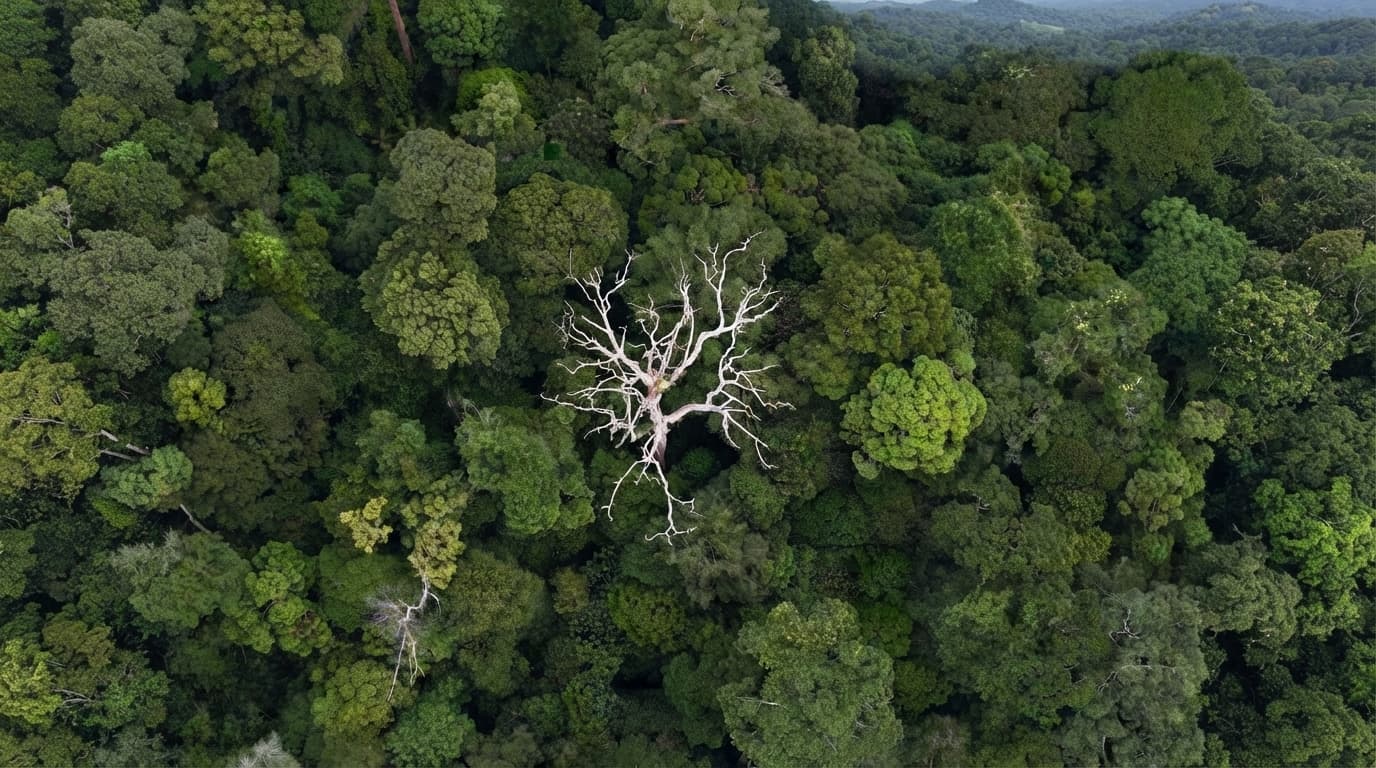
Overlay parcel, habitat, protected areas, drainage and nearby communities.
Published on:
KEA Research Team
Brasil
10 min read
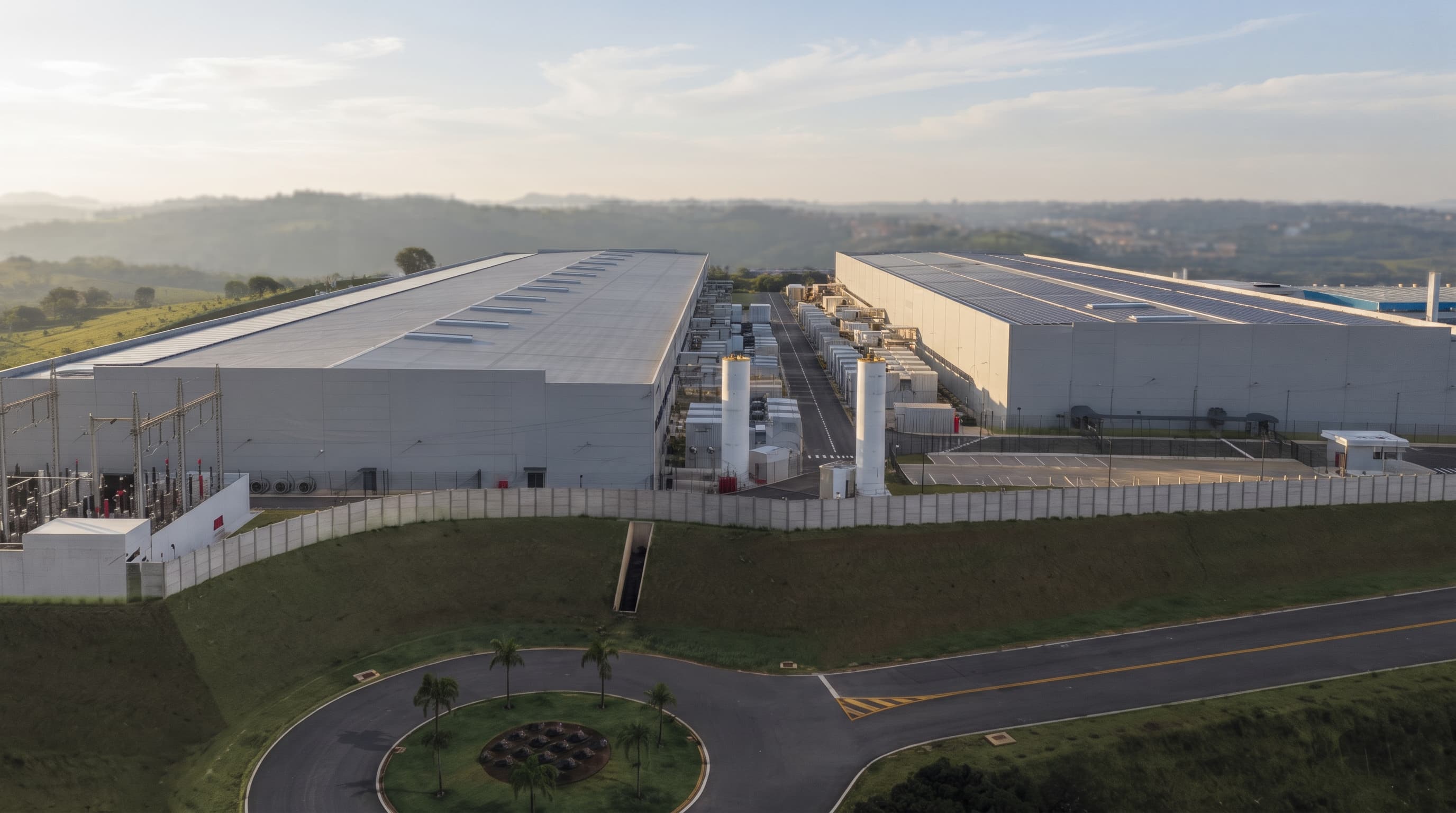
Brazil is becoming an important test of whether rapid compute growth can be matched by credible environmental planning. A data center's electricity contract is visible from the first spreadsheet. The site's water source, drainage basin, habitat footprint and permitting route are often resolved much later, when changes cost more. The new REDATA incentive makes the distinction between a tax benefit and an environmental license especially important.
Brazil's General Environmental Licensing Law (Law 15,190/2025) sets national rules for projects capable of environmental degradation. Which authority licenses a specific data center, which procedure applies and whether an EIA is needed depend on the site's characteristics, location, impacts and applicable federal, state and municipal rules. The familiar preliminary, installation and operating licenses may be relevant, but they are not a universal three-step script for every project. IBAMA is the federal authority only in cases assigned to it; many projects fall to state or municipal bodies.
REDATA, created by Law 15,504 in September 2026, is a separate special tax regime for data center services. Its participation conditions include clean or renewable electricity procurement, sustainability criteria still to be specified in regulation, and an annual cooling water-use-efficiency index no higher than 0.05 L/kWh. Qualifying for an incentive does not replace environmental licensing, water rights or local land-use approvals. Nor does meeting a WUE threshold prove that a particular watershed has sufficient water.
≤ 0.05 L/kWh
REDATA annual cooling water-efficiency condition
A condition of the voluntary tax regime under Law 15,504/2026. It is not a universal data-center water permit limit, and the implementing rules should be checked as they are issued.
Water-use efficiency is a ratio. It does not disclose peak withdrawal, the source of water, seasonal scarcity, wastewater quality or competition with communities. An air-cooled design may use less direct water but more electricity; an evaporative system may reverse that trade-off. The right choice depends on the actual basin, grid and climate, not a single national average. Report source, maximum and annual volumes, consumptive use, return flow and dry-season assumptions alongside WUE.
Water authorization is also jurisdiction-specific. ANA deals with federal-domain waters; states and the Federal District manage groundwater and many state-domain surface waters. A proposed well, municipal supply contract and river intake have different evidence and approval paths. Check the competent water authority at site-screening stage.
01
Overlay parcel, habitat, protected areas, drainage and nearby communities.
02
Model demand and source reliability in the dry season, not just an annual average.
03
Ask the competent licensing and water authorities which permits and studies apply.
04
Set baseline, discharge, water and biodiversity indicators before construction.
A planning framework; the required studies are determined by the competent authority and site.
For a hypothetical site near a Brazilian metropolitan area, the preferred parcel may look attractive because of grid access. Screening can reveal a groundwater constraint, flood-prone drainage or a fragment of native vegetation requiring a different design. That finding is useful before land acquisition, when moving a building, changing cooling technology or protecting a corridor is still possible.
An investor can price grid connection; it is harder to price an unresolved watershed or permitting assumption. Teams that bring site-level evidence into the first design gate can compare locations on a more realistic basis and avoid late redesign. KEA's role is to make that nature and water evidence inspectable, with local specialists where field verification is needed.
Leave your email and our team will follow up about updates on nature-related regulation, technology and science.
Connect with us to learn how KEA Network can help you build credible evidence for your nature commitments.